The sudden rumble of a Central Florida thunderstorm or the passing of a heavy tropical squall can leave Palm Bay homeowners facing one of the most stressful property issues: sudden roof damage. When high winds tear off shingles or a heavy oak branch crashes down, your home is instantly vulnerable to water intrusion and hidden rot.
If you are staring at a new ceiling stain or shingles scattered across your lawn, take a deep breath. Here is a definitive guide on how to safely assess the damage, implement temporary fixes, and know when it is time to call in the local experts at Yeti Roofing.
1. Safely Assess the Damage (Keep Your Feet on the Ground)
After a severe storm in Brevard County, your first priority is to figure out what happened—but safety is paramount.
-
Do a Perimeter Walk: Walk around your property and look up. Keep an eye out for missing architectural shingles, dents in your metal flashing, or debris resting on the roof.
-
Use Binoculars: Never climb onto a wet, slippery roof, especially if the wind is still blowing. Use binoculars to get a closer look at the damage safely from your driveway.
-
Inspect the Attic: If it is safe, grab a flashlight and check your attic. Look for damp insulation, active drips, or daylight poking through the roof decking. Finding the exact source of the leak from the inside makes temporary fixes much easier.
2. Implement Immediate Temporary Fixes
While you wait for a professional roofer to arrive, stopping the water from destroying your home’s interior is critical. Taking swift action prevents secondary disasters like mold growth, saturated drywall, and structural decay.
-
Deploy an Emergency Tarp: If you have an obvious hole or a large patch of missing shingles, carefully secure a heavy-duty waterproof tarp over the area. Ensure it is pulled tight and secured with roofing nails so the coastal winds do not blow it away.
-
Seal Minor Penetrations: If the leak is coming from a small gap around a vent or chimney flashing, a temporary application of roofing tape or wet-patch roofing cement can stop the bleeding until a permanent repair is made.
-
Contain Interior Water: Move furniture and electronics away from the drip zone. Place buckets underneath the leak and lay down heavy towels to protect your flooring.
3. The Palm Bay Emergency Prep Kit
Living in a hurricane-prone area means you should always be prepared for the worst. Before the summer storm season hits, build a small emergency roofing kit for your garage:
-
High-quality waterproof tarps (large enough to overlap the roof ridge).
-
Roofing cement or caulk and a trowel.
-
Roofing nails and heavy-duty tape.
-
A sturdy ladder (strictly for low-level visual inspections, not for climbing during a storm).
4. 5 Common Palm Bay Roof Emergencies & How to Handle Them
Generic roofing advice often mentions things like “Ice Dams”—a clear sign they aren’t writing for Central Florida! Here is what Palm Bay homeowners actually deal with:
-
Wind-Torn Shingles: High winds from summer squalls can snap shingle seals. Temporary fix: Tarp the exposed underlayment immediately.
-
Leaking Flashing: Intense, wind-driven rain can force water under the metal flashing around vents. Temporary fix: Apply roofing tape or caulk over the visible gap.
-
Fallen Tree Branches: Heavy palm fronds and oak limbs can puncture your roof deck. Temporary fix: Remove small debris safely from the ground. Leave large, heavy branches for the professionals and tarp over the puncture.
-
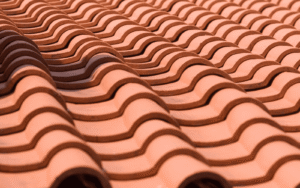
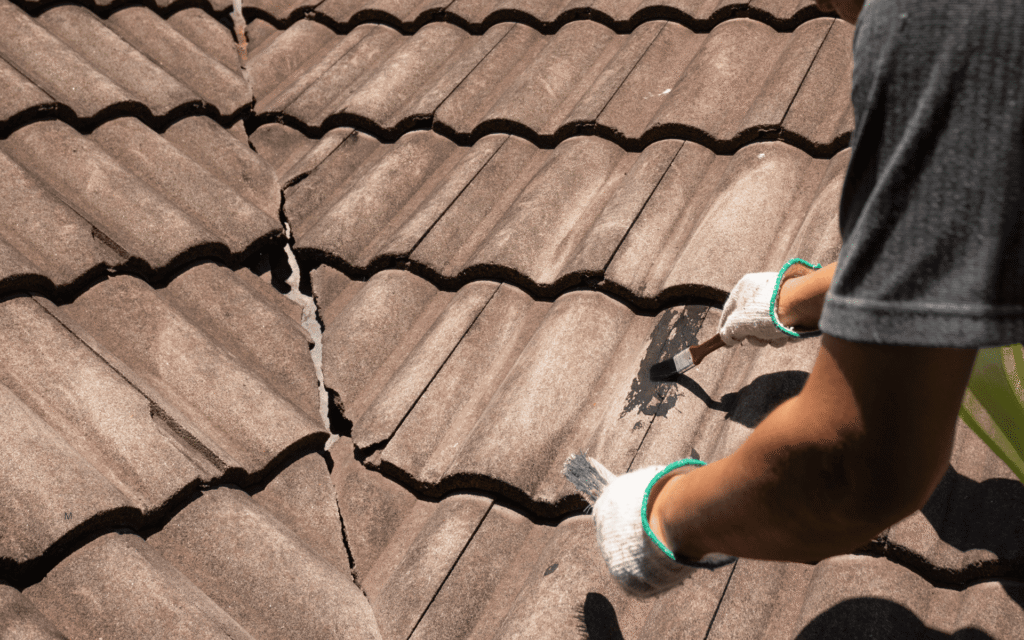
Slipped Spanish Tiles: High winds can dislodge heavy tiles, exposing the fragile underlayment to the brutal sun and rain. Temporary fix: Do not walk on the tiles (they will break!). Call a professional immediately.
-
Clogged Gutters: Pine needles and leaves cause gutters to overflow, backing water up under your drip edge and rotting the fascia board. Temporary fix: Clear the downspouts as soon as the weather clears.
5. When to Call the Professionals at Yeti Roofing
Temporary tarps and tape are just bandages. To protect your biggest investment, you need a permanent, code-compliant repair. In the Palm Bay area, localized emergency repairs typically range from $300 to $1,000, depending on the severity of the storm damage. Trying to DIY a permanent fix often voids your homeowner’s insurance and leads to more expensive problems down the road.
Why Palm Bay Trusts Yeti Roofing: When a storm hits, out-of-town “storm chasers” flood the area. Yeti Roofing is locally owned, deeply embedded in Brevard County, and committed to doing roofing right.
If your roof took a hit during the last storm, do not wait for the next downpour to test it. Contact the backend and field experts at Yeti Roofing today to secure your home.