Cutting metal roofing panels with precision is one of the most critical steps in any roofing project. In coastal and subtropical environments like Palm Bay and Brevard County, the method used to cut metal panels directly determines whether a roof lasts for decades or succumbs to premature edge rust within months.
Whether cutting panels for a standing seam replacement, trimming around dormers, or detailing complex roof valleys, using the right tools and cold-cutting techniques preserves the protective factory coatings, keeps manufacturer warranties intact, and ensures a watertight fit against severe Florida weather.
The Golden Rule for Florida Metal Roofing: Always Cold Cut
In Central Florida’s humid, salt-tinged environment, the single most dangerous mistake is using high-speed abrasive cutoff discs or angle grinders to cut metal panels.
High-speed abrasive blades generate intense friction and heat, which:
-
Burns off protective Galvalume and zinc coatings, leaving the raw steel core exposed to coastal humidity.
-
Melt and bubble PVDF / Kynar 500 paint finishes, destroying the panel’s UV resistance.
-
Throws red-hot iron shavings (swarf) across the panel surface, which embed in the paint and rust immediately after the first afternoon rainstorm.
-
Voids manufacturer warranties, as major metal roofing manufacturers strictly prohibit abrasive cutting discs.
To prevent premature corrosion in Palm Bay, always use cold-cutting tools that shear, slice, or chip the metal without generating high surface temperatures.
Essential Tools for Cutting Metal Roofing
Selecting the proper cutting tool depends on the cut’s direction, profile shape, and detail level.
1. Compound-Action Aviation Snips (Tin Snips)
Aviation snips are indispensable for intricate work, edge trims, and flashings. They come color-coded based on the cut direction:
-
Aviation Red (Left-Cut): Designed for tight curves to the left and straight cuts.
-
Aviation Green (Right-Cut): Designed for tight curves to the right and straight cuts.
-
Aviation Yellow (Straight-Cut): Best suited for flat sheet trimming and shallow notches.
Pro Tip: Never close the snip blades completely at the end of a stroke. Stopping just before the tips meet prevents unsightly pinches and dents in the metal profile.
2. Double-Cut Electric Shears & Turbo Shears
Electric or drill-attached shears are ideal for cutting across flat panels and trimming along ribs. Double-cut shears remove a thin curl of scrap metal without bending the finished edges, producing smooth, factory-grade cuts with zero heat generation.
3. Mechanical Nibblers
Nibblers act like high-speed hole punches, stamping out tiny crescents of metal. Because they move effortlessly in any direction without distorting the profile, nibblers are the best choice for:
-
Cutting around roof vents, plumbing boots, and chimneys.
-
Trimming through standing seam mechanical locks.
-
Complex diagonal cuts through high ribs.
4. Circular Saw with a Dedicated Metal-Cutting Blade
For long, straight cross-cuts across multiple panel sheets, a circular saw fitted with a specialized cermet-tipped (carbide-alloy) metal-cutting blade provides clean, burr-free cuts. Unlike abrasive wheels, these blades cut at lower RPMs, keeping the metal cool and throwing cool chips rather than hot sparks.
Cutting Techniques by Metal Panel Type
| Metal Panel Profile | Primary Cut Tool | Best Use Case | Key Technical Consideration |
| Standing Seam | Mechanical Nibbler & Left/Right Snips | Valleys, Rake Edges, Transitions | Never flatten ribs; cut through seams without compromising concealed locks. |
| 5V-Crimp Panels | Circular Saw (Cermet Blade) or Shears | Straight Panel Runs, Eaves | Cut from the underside or use a guide track to avoid scratching the finish. |
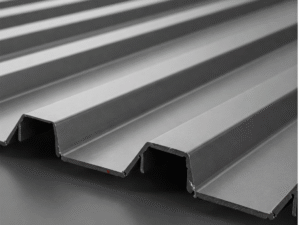
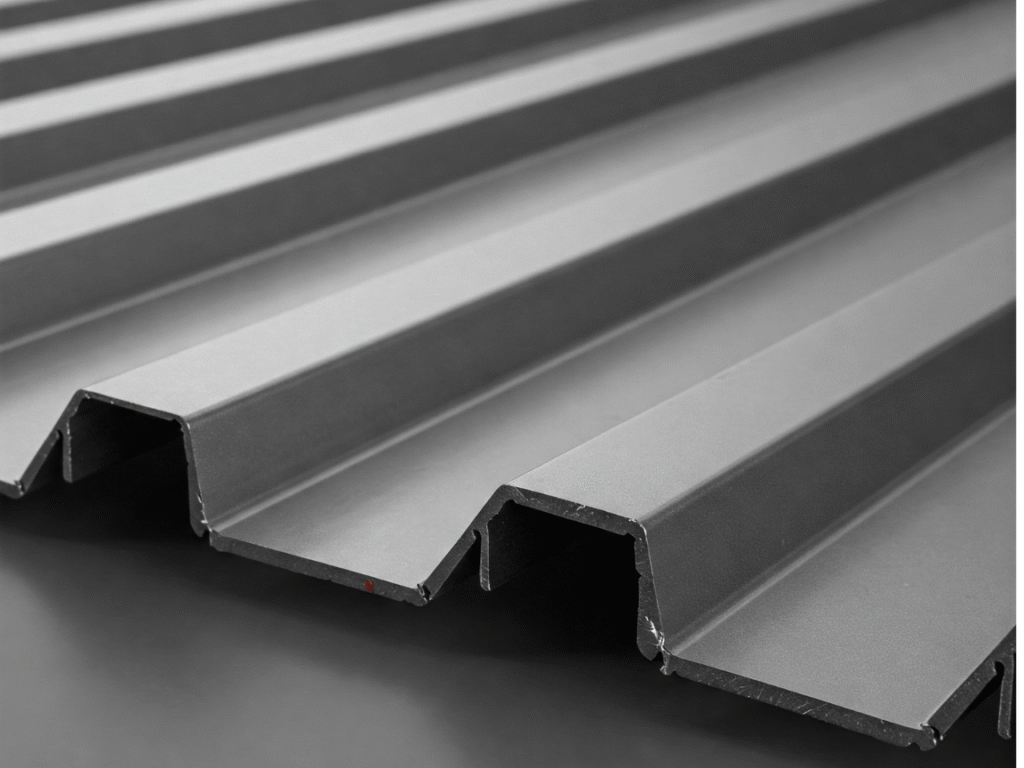
| Corrugated Panels | Double-Cut Power Shears | Cross-Cuts, Sidewall Flashing | Cut along the low valley flats rather than the high ribs for greater stability. |
| Flat Sheet Flashing | Hand Snips / Hand Seamers | Drip Edges, Chimney Crickets | Measure bends and hem allowances before making relief cuts. |
Step-by-Step Guide to Clean, Rust-Free Panel Cuts
1. Measure and Scribe from the Back
Measure twice to account for overhangs into the gutter line and hemmed edges at the eaves. Scribing cutting lines on the back (unpainted side) of the panel prevents accidental surface scratches on the visible finish.
2. Secure the Workpiece
Clamp the metal panel securely to a stable cutting table using padded clamps. Supporting both sides of the cut prevents the metal from sagging, twisting, or bending under tool pressure.
3. Execute the Cut at a Steady Pace
Let the cutting tool do the work. Pushing or forcing the blade through the metal can warp the panel ribs and produce jagged, irregular edges.
4. Deburr and Smooth the Edge
Even clean shear cuts can leave micro-burrs. Run a smooth metal file along the cut edge to eliminate sharp points that could snag underlayment or cut installers.
5. Treat the Cut Edge for Coastal Protection
In Palm Bay, sealing exposed edges is critical. Apply a thin line of manufacturer-approved touch-up paint or clear edge-sealer to cut ends before installation. This encapsulates the bare metal edge and stops saltwater air intrusion.
6. Sweep Away All Metal Swarf Immediately
After cutting, thoroughly sweep the work area and brush the panel with a soft microfiber cloth. Leftover metal particles will oxidize overnight in Florida’s high humidity, creating orange rust stains on the roof.
Protecting Your Metal Roofing Investment in Brevard County
While straightforward repairs can sometimes be handled with basic snips, installing a full metal roofing system requires specialized machinery, exact panel hemming, and engineered wind-uplift compliance. Florida building codes demand strict adherence to fastening and flashing standards to survive severe tropical storms and hurricanes.
At Yeti Roofing, every metal roofing system is installed using strict manufacturer-approved cold-cutting techniques, heavy-gauge commercial underlayment’s, and precision flashings designed to endure Palm Bay’s unique coastal climate. Contact Yeti Roofing today to schedule a detailed evaluation and discover how a high-performance metal roof can protect your home for decades.