Whether you are preparing to buy a new home, suspect a leak after a heavy Brevard County rainstorm, or just want peace of mind before hurricane season, scheduling a professional roof inspection is the first step. For many homeowners, the most stressful part is simply not knowing what to expect or how long they will be waiting for answers.
While a quick visual once-over from the driveway might take ten minutes, a comprehensive, professional roof inspection typically takes anywhere from one to two hours.
At Yeti Roofing, we do not believe in rushed, surface-level estimates. A proper inspection requires meticulous attention to detail to ensure your home is fully protected. Here is a breakdown of the exact factors that determine how long your roof inspection will take and what our experts are actually looking for during that time.
5 Factors That Influence Your Inspection Timeline
1. Total Square Footage
The most obvious factor dictating the length of an inspection is the size of your home. Roofers must walk the entire perimeter to inspect the fascia, soffits, and gutter systems before ever stepping foot on the deck. A standard 1,500-square-foot home in Palm Bay will naturally take less time to document than a sprawling 3,500-square-foot custom estate.
2. Roof Pitch and Architectural Complexity
A simple, low-slope gable roof is relatively fast to navigate. However, a complex roof featuring multiple steep slopes, valleys, dormers, and skylights requires careful maneuvering and additional safety precautions.
-
Valleys: These are high-water-flow areas that require close scrutiny for deteriorating sealants or compromised underlayment.
-
Pitch: Steeper roofs require specialized harnesses and slower, deliberate movement, adding time to the evaluation.
3. The Roofing Material
The type of material covering your home dictates how the inspection is physically conducted.
-
Architectural Shingles: Inspectors must check for granular loss, wind-creased tabs, and exposed nail heads.
-
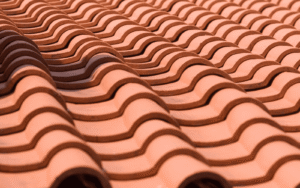
Tile Roofs: Walking on concrete or clay barrel tiles requires extreme care and specific foot placement to avoid breaking the materials. Tile inspections often take significantly longer.
-
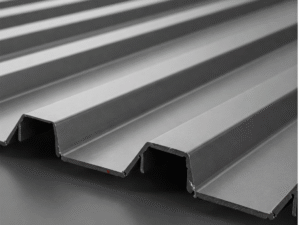
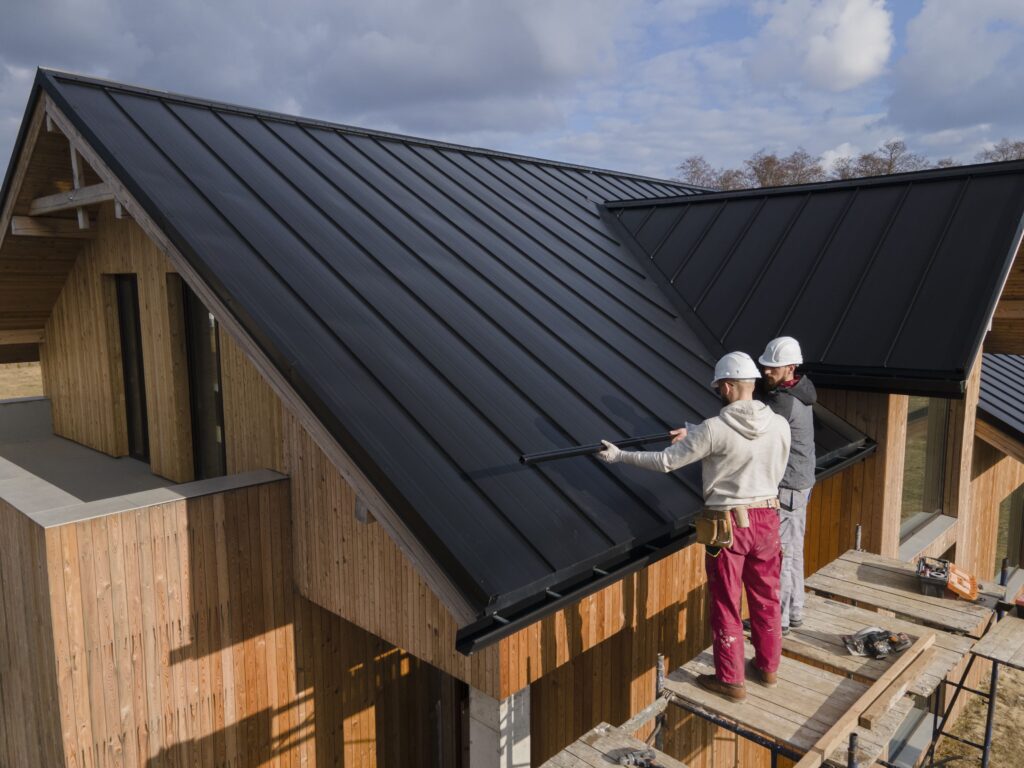
Metal Roofs: Inspecting standing seam metal roofs involves checking hundreds of linear feet of concealed clips, panel overlaps, and transition flashings.
4. Age and Condition of the Roof
A five-year-old roof being inspected for a real estate transaction will likely be a much faster job than inspecting a twenty-year-old roof that has endured a decade of tropical storms. As roofs age, the list of potential failures grows. If our inspectors find extensive damage—such as dry-rotted rubber vent boots, heavily rusted flashing, or widespread algae growth—they must take the time to photograph and document every single failure point to build an accurate repair plan.
5. Comprehensive Interior and Exterior Evaluation
A true professional roof inspection does not just happen on the roof. The process also takes time because it involves an interior attic inspection. Our team will look inside your attic to check for:
-
Water Intrusion: Dark stains on the underside of the wood decking that indicate a slow, hidden leak.
-
Ventilation Issues: Ensuring ridge vents and soffit vents are breathing properly to prevent trapped heat and moisture.
-
Light Penetration: Checking for daylight shining through the roof deck, which instantly indicates a physical breach in the underlayment.
Why a Thorough Inspection Matters in Central Florida
In Palm Bay, the climate is unforgiving. High humidity, intense UV radiation, and severe tropical storm winds constantly test the limits of your roofing materials. Fast, ladder-only inspections often miss the microscopic cracks in sealants or the early stages of a peeling drip edge that will eventually lead to major wood rot.
Taking the time to do it right ensures that whether you need a minor flashing repair or a complete roof replacement using high-performance architectural shingles, the recommendation is based on hard evidence, not guesswork.
When Should You Schedule a Roof Inspection?
To stay ahead of costly interior water damage, homeowners should prioritize inspections during the following scenarios:
-
Annually: Routine maintenance to clear debris and check sealants.
-
Post-Storm: Immediately following a hurricane, hail storm, or severe wind event, even if you do not see missing shingles from the ground.
-
Buying or Selling: To negotiate repair costs or provide a clean bill of health to buyers.
If your Palm Bay home is due for an evaluation, do not settle for a rushed drive-by estimate. Contact Yeti Roofing today to schedule a comprehensive, expert roof inspection that leaves no stone unturned.