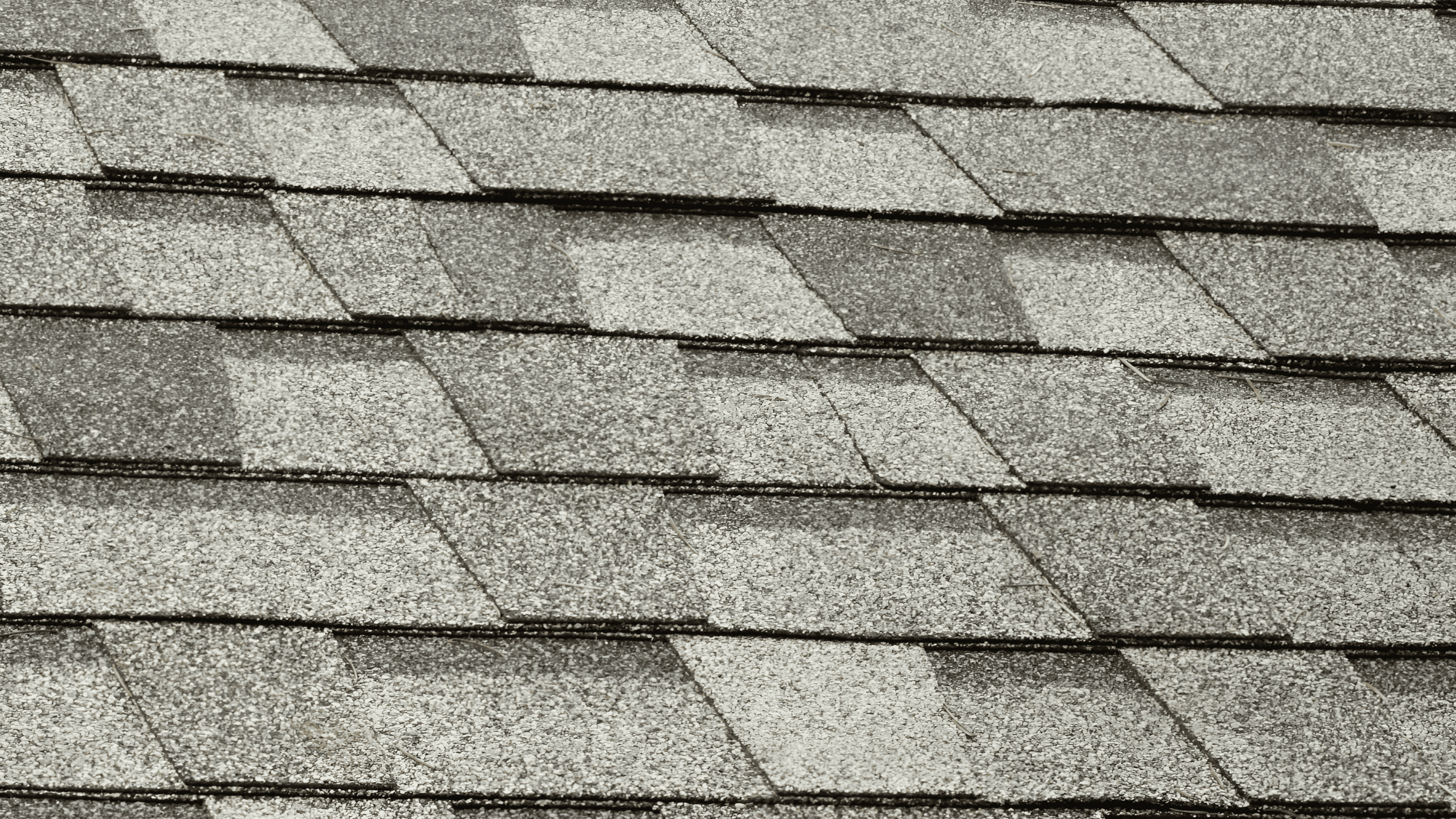
Architectural shingles—also known as dimensional shingles—are the ultimate upgrade for Florida homeowners. Compared to standard three-tab shingles, they offer superior wind resistance, deeper texture, and unmatched curb appeal.
Whether you are a curious homeowner wanting to understand the process or looking to see how the pros do it, this guide walks you through the proper installation of an architectural shingle roof.
Quick Insight: When installed correctly, high-quality architectural shingles can last 25 to 30 years. For properties in Brevard County, their enhanced impact and wind resistance make them one of the smartest investments for long-term home protection.
At Yeti Roofing, we believe in “Roofing Done Right.” Here is the exact process required to ensure a dimensional shingle roof performs flawlessly through every storm season.
Preparing the Roof Deck for Success
A beautiful roof means nothing if the foundation is flawed. Proper preparation is the most critical phase of any roofing project. Skipping these steps leads to hidden leaks, premature wear, and costly structural damage down the road.
-
Gather Your Materials: You will need a pneumatic nail gun, galvanized roofing nails, a chalk line, synthetic underlayment, starter strips, roofing cement/adhesive, a utility knife, and strict safety equipment (harnesses, roof brackets, and gloves).
-
Complete Tear-Off: We always strip the existing shingles down to the bare wood. Installing new shingles over an old roof adds dangerous weight, traps moisture, and immediately voids manufacturer warranties. A clean deck allows us to inspect the foundation properly.
-
Deck Inspection and Wood Replacement: Once bare, thoroughly inspect the plywood or OSB deck. In Florida, hidden wood rot is common. Any soft, damaged, or rotting wood must be replaced to ensure the new shingles have a solid, structural surface to anchor to.
-
Apply Synthetic Underlayment: Lay down a high-quality, water-resistant synthetic underlayment across the entire roof deck. This acts as your home’s secondary moisture barrier. Secure it working from the bottom edge (eaves) upward, ensuring each row overlaps the last by several inches.
-
Snap Alignment Guides: Use a chalk line to snap perfectly straight horizontal lines across the deck. These guide lines keep the shingle rows perfectly parallel, which is essential for proper water runoff and a clean, professional aesthetic.
Safety Reminder: Roofing is highly dangerous, especially on steep slopes. Always utilize fall protection harnesses, secure your ladders, and never work on a wet roof.
Step-by-Step Installation Process
With a solid, waterproofed deck ready, it is time to install the roofing system.
Step 1: Secure the Starter Strips
Installation begins at the eaves (the bottom edges). Lay down specialized starter strips to create a waterproof seal for the first row of shingles. These strips should overhang the drip edge by about half an inch to ensure water flows directly into the gutters, not behind the fascia board.
Step 2: Lay the First Course
Place your first full architectural shingle directly over the starter strip, perfectly aligned with your chalk line. Secure it using roofing nails driven just below the manufacturer’s adhesive sealant line. Nailing placement is critical—especially in Palm Bay and Melbourne—to achieve maximum wind-uplift resistance.
Step 3: Stagger the Shingles
To create the dimensional look and prevent water from seeping through the seams, the next rows must be staggered. Cut the first shingle of the second row to create an offset “stair-step” pattern. Continue this offset pattern as you build up the roof deck.
Step 4: Work Toward the Peak
Continue installing rows upward, ensuring your overlap aligns with the manufacturer’s designated exposure line (typically 5 to 6 inches). Drive all nails completely flush with the shingle surface—never overdrive them, as this tears the fiberglass matting and ruins the shingle.
Step 5: Install Ridge Caps
Once you reach the peak of the roof, standard shingles won’t work. You must install specialized ridge cap shingles over the apex. Overlap each cap shingle smoothly and secure them with two nails on each side. This seals the roof’s most vulnerable point while providing a clean, finished look.
Step 6: Seal the Vulnerable Edges
Finally, apply professional roofing adhesive to any exposed nail heads, vulnerable edges, and valley cuts. This final waterproofing step is vital for surviving Florida’s torrential summer downpours and high winds.
Pro Tip: If you are roofing in the Florida heat, keep your shingle bundles in a shaded area until right before installation. Excessive heat causes the tar sealant strips to melt together inside the packaging!
Common Installation Mistakes to Avoid
Even a premium shingle will fail if installed poorly. Here are the most common mistakes amateur installers make:
| The Mistake | The Consequence | The “Done Right” Prevention |
| Skipping Underlayment | Hidden water leaks and severe deck rot. | Always install a full-coverage synthetic moisture barrier. |
| Using Too Few Nails | Shingles easily blow off during severe storms. | Use a minimum of 4 (often 6 in high-wind zones) nails per shingle. |
| Overdriving Nails | Tears the shingle matting, causing leaks. | Calibrate nail guns to drive nails perfectly flush with the surface. |
| Misaligned Rows | Poor water drainage and a sloppy appearance. | Use proper chalk lines for every section of the roof. |
Frequently Asked Questions
How long does it take to install architectural shingles?
For an average residential home (1,500 to 2,000 square feet), a professional crew like Yeti Roofing can typically complete a full tear-off and replacement in just 1 to 2 days. DIY installations can drag on for weeks, leaving your home exposed to the weather.
Can I install new architectural shingles over my old shingles?
While older building codes sometimes allowed it, we never recommend this. Installing over old shingles hides underlying wood rot, adds extreme stress to your roof trusses, and voids the warranty of your new shingles.
What is the best temperature for installing shingles?
The ideal installation window is between 45°F and 85°F. If it is too cold, the shingles become brittle and the tar strips won’t seal. If it is too hot (a common issue in Brevard County), the shingles become soft, easily scuffed by work boots, and difficult to handle.