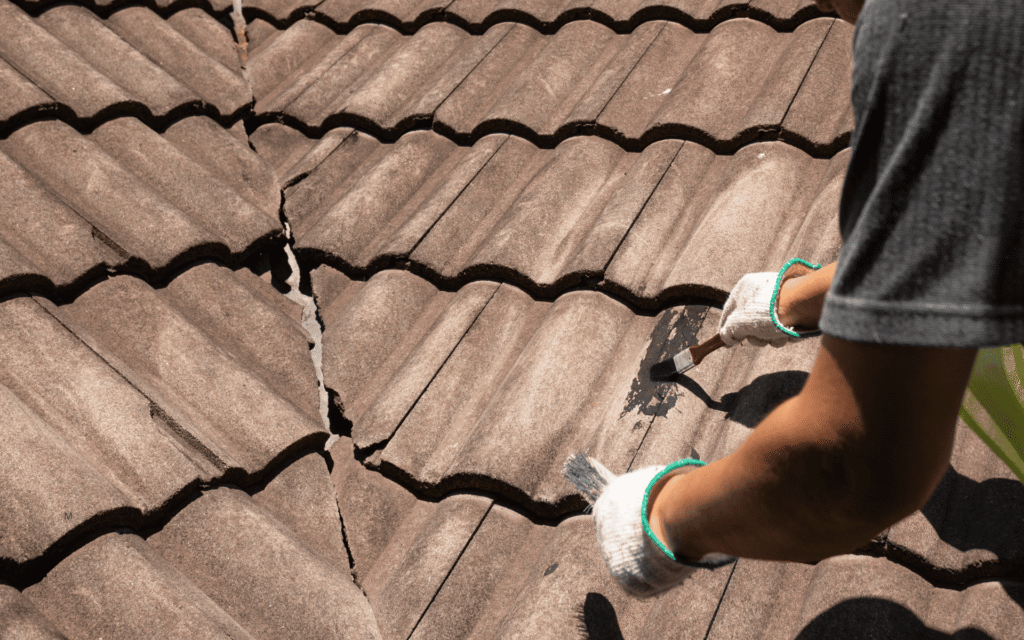
A single cracked concrete or clay roof tile might look like a minor cosmetic flaw from the driveway, but in Brevard County, it is a ticking time bomb. With our torrential coastal downpours and high-humidity environment, ignoring a broken tile practically guarantees that water will infiltrate your roofing system.
While many online guides claim you can simply climb a ladder and glue a cracked tile back together with roofing adhesive, this is a dangerous misconception for Florida homeowners. A temporary patch will not survive a 100-mph tropical storm.
Whether you need a localized professional repair or are considering an upgrade to a more resilient material, here is exactly what you need to know about tile damage in Palm Bay.
The Hidden Dangers of Ignoring Broken Tiles
Your roof tiles act as the first line of defense against the sun and heavy impacts, protecting the waterproofing underlayment beneath them. When a tile cracks, UV rays and driving rain gain direct access to that vulnerable underlayment.
Over time, this exposure leads to:
-
Deteriorated Underlayment: The hot Florida sun rapidly dries out and destroys exposed waterproofing membranes.
-
Structural Wood Rot: Once water breaches the underlayment, it rots the wooden trusses and decking supporting your roof.
-
Toxic Mold Growth: Moisture trapped in your dark, hot attic creates the perfect breeding ground for black mold.
-
Costly Interior Leaks: What starts as a small drip in the attic will eventually destroy drywall, insulation, and interior paint.
The Proper 5-Step Tile Repair Process
At Yeti Roofing, we do not believe in temporary band-aids. Slapping roofing cement on a broken tile looks terrible and will inevitably fail when the Florida heat causes the adhesive to expand and contract. Here is how a broken tile should actually be addressed:
Step 1: Comprehensive On-Site Inspection
Before any work begins, we physically walk the roof. Walking a tile roof requires strict foot-placement techniques to prevent cracking additional tiles. We assess the broken tile, check the surrounding area for hidden damage, and evaluate the overall condition of the aging system.
Step 2: Safe Extraction
Using specialized pry bars, the surrounding overlapping tiles are gently lifted just enough to free the damaged piece. The broken tile is then carefully unhooked from the roof batten and removed without disturbing the structural integrity of the adjacent tiles.
Step 3: Underlayment Assessment
This is the most critical step that DIYers miss. Once the tile is removed, the exposed underlayment must be inspected for tears, UV degradation, or water stains. If the underlayment is compromised, replacing the tile on top will not stop the leak.
Step 4: Proper Tile Replacement
Instead of gluing the broken pieces together, a brand-new, structurally sound replacement tile is sourced to match the existing profile as closely as possible. It is then securely fastened to the roof batten.
Step 5: Weather-Tight Alignment
The surrounding tiles are lowered back into their interlocking positions. The repair is meticulously inspected to ensure the new tile sits perfectly flush, maintaining the critical water-shedding channels that keep your roof watertight.
Proactive Tile Roof Maintenance in Florida
Preventing tile damage is always cheaper than repairing water damage. Implement these maintenance habits to protect your Palm Bay home:
Time for an Upgrade? Consider Brava Synthetic Tiles
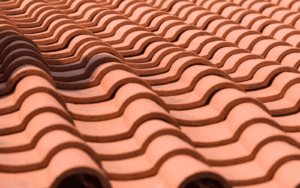
Standard clay and concrete tiles are incredibly heavy and become brittle over time. If your Palm Bay roof is suffering from continuous tile breakage, it may be time for a full replacement.
We highly recommend upgrading to Brava synthetic tiles. They deliver the gorgeous, classic Mediterranean aesthetic you love without the extreme weight of natural clay, completely eliminating the need for costly structural reinforcements. Most importantly for Brevard County, Brava tiles are highly durable, UV-resistant, and feature a Class 4 impact rating to easily shrug off severe weather.
Frequently Asked Questions
Can I repair a cracked roof tile myself with adhesive? We strongly advise against it. DIY roofing adhesives dry out and fail rapidly in the extreme Florida heat. Furthermore, walking on a tile roof without professional experience often leads to cracking dozens of surrounding tiles, turning a small issue into a massive expense.
How much does a professional tile repair cost? Every roof is different, which is why Yeti Roofing refuses to give inaccurate phone quotes. Our owner personally walks every roof to inspect the damage, assess the underlayment, and provide a transparent, precise, on-site estimate.
Should I pressure wash my dirty tile roof? No. High pressure can instantly crack aging tiles, erode their protective surface, and blast water directly underneath the roofing system into your attic. Always opt for a low-pressure chemical soft wash to safely remove algae.
Need an honest assessment of your tile roof? Don’t let a cracked tile threaten your home. Call Yeti Roofing today. We are Palm Bay’s trusted experts for honest, on-site inspections and heavy-duty roofing systems engineered for extreme Florida weather.