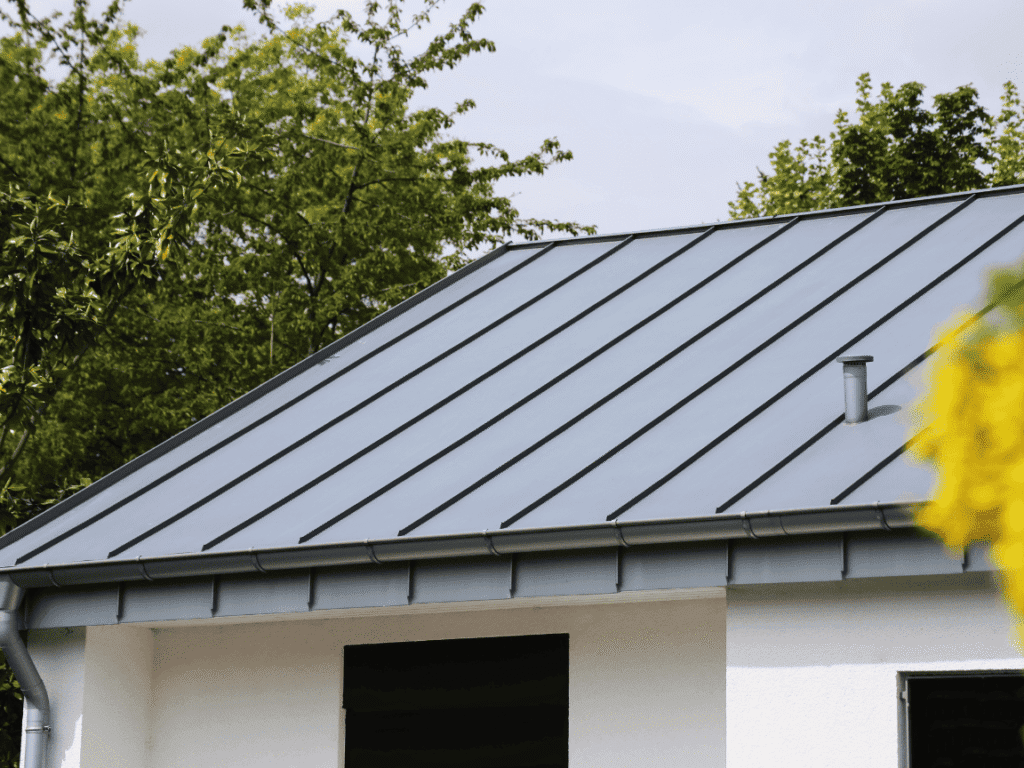
If you are planning a roof replacement in Palm Bay, you already know that our local weather takes a massive toll on standard shingles. Between the brutal Space Coast sun and the constant threat of hurricane-force winds, homeowners increasingly turn to standing seam metal roofs for permanent protection.
However, understanding the true cost of these premium systems is critical for accurate budgeting. In 2026, standing seam metal roofs in Florida typically range from $12 to $18 per square foot installed. For an average-sized Brevard County home, most homeowners invest between $24,000 and $36,000.
While standing seam systems require a higher upfront investment than architectural shingles, they easily last up to 50 years. Therefore, they represent one of the smartest long-term investments you can make for your property.
In this guide, the local experts at Yeti Roofing break down exactly what affects your final price, from material thickness to installation complexity.
The 2026 Cost Breakdown by Roof Size
Your roof’s total square footage heavily dictates the final price of the project. To give you a realistic baseline, here are the average 2026 installation costs for typical Palm Bay homes:
| Roof Size | Average Installed Cost Range |
| 1,500 sq ft | $18,000 – $27,000 |
| 2,000 sq ft | $24,000 – $36,000 |
| 2,500 sq ft | $30,000 – $45,000 |
| 3,000 sq ft | $36,000 – $54,000 |
Note: These estimates include both labor and materials for standard, walkable roof pitches.
Material Options: Steel vs. Aluminum
The type of metal you select significantly impacts both the lifespan of the roof and your total cost. In Brevard County, homeowners primarily choose between two top-tier options:
-
Galvalume Steel ($12 – $16 per sq ft): This material provides incredible strength and represents the best value for the vast majority of Palm Bay homes. It features a specialized coating that fiercely resists rust.
-
Aluminum ($15 – $21 per sq ft): If your property sits directly on the water or east of US-1, aluminum is the superior choice. Since aluminum does not rust, it completely resists the severe salt-air corrosion found near the coast.
Key Factors That Drive Installation Costs
Beyond the raw square footage and material type, several specific factors will influence your final roofing estimate:
1. Panel Thickness (Gauge)
Unfortunately, many out-of-town contractors quote a low price by utilizing thin, 26-gauge metal that dents easily during a hail storm. To guarantee maximum wind and impact resistance, we exclusively install premium 24-gauge metal roofing. While thicker metal slightly increases the material cost, it delivers a lifetime of flawless protection that thin panels simply cannot match.
2. Roof Complexity and Pitch
A simple, flat gable roof installs quickly and efficiently. Conversely, if your home features steep slopes, multiple valleys, dormers, or skylights, the installation requires significantly more time and precise custom cuts. Consequently, complex roofs generate more material waste and increase total labor costs.
3. Old Roof Removal and Deck Repairs
Before we can install a new metal system, our crews must remove the existing materials. Tearing off a single layer of asphalt shingles generally adds $1 to $2 per square foot. Furthermore, once we expose the wooden decking beneath, we must repair any hidden rot or water damage to ensure your new heavy metal roof has a solid structural foundation.
4. Premium Underlayment Upgrades
The metal panels serve as your home’s armor, but the underlayment provides the true waterproofing. Upgrading to a high-temperature, self-adhering synthetic underlayment adds slightly to the initial cost but guarantees exceptional protection against driving tropical rains.
Why Standing Seam Justifies the Investment
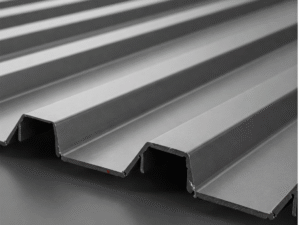
Although corrugated (exposed-fastener) metal panels cost less initially, standing seam systems offer unparalleled long-term value.
Because the interlocking seams completely conceal the fasteners, the metal panels can naturally expand and contract in the intense Florida heat without backing out screws or creating leaks. As a result, a standing seam roof withstands Category 3+ hurricane winds with ease.
Additionally, these highly reflective panels bounce UV rays away from your attic. Therefore, a standing seam roof significantly reduces your monthly AC cooling costs throughout the brutal summer months.
Trust Your Investment to Palm Bay’s Premium Installers
Upgrading to a standing seam metal roof requires precise, highly skilled labor. You need a trusted local partner who utilizes the best materials and communicates honestly.
At Yeti Roofing, we operate differently than massive corporate chains and high-pressure storm chasers. We provide completely transparent pricing, honest local guidance, and a strictly zero-pressure customer experience. Ultimately, our goal is to deliver legendary protection that your family can rely on for decades.
Ready to see exactly what a 24-gauge standing seam metal roof would cost for your home?
Visit yetiroofingfl.com to schedule your free, comprehensive roof assessment.
Frequently Asked Questions (FAQ)
How much does a standing seam metal roof cost per square foot in Palm Bay?
In 2026, you can expect to pay between $12 and $18 per square foot for a fully installed standing seam metal roof. Premium upgrades like aluminum or highly complex roof designs can push the cost up to $21 per square foot.
Is a standing seam roof better than architectural shingles?
Absolutely. While shingles last roughly 15 to 20 years in the Florida sun, a standing seam metal roof lasts 50 years or more. Furthermore, hidden-fastener metal systems provide vastly superior resistance against hurricane-force winds and storm debris.
Does a metal roof lower my homeowners insurance?
Yes, in many cases. Because a properly installed standing seam roof significantly mitigates wind damage and features a high fire-resistance rating, many Florida insurance providers offer substantial premium discounts to homeowners who upgrade.