Choosing a tile roof in Brevard County requires balancing authentic Mediterranean aesthetics with the realities of coastal weather. While the terms “clay” and “terracotta” are frequently used interchangeably, subtle manufacturing differences affect density, moisture resistance, and total investment.
Both materials are crafted from natural earth and kiln-fired to deliver superior longevity compared to traditional asphalt shingles or concrete tiles. However, understanding how unglazed terracotta compares to broader ceramic clay formulations helps you choose the right profile for your home’s architecture, structural framing, and exposure to coastal weather.
The Core Difference: Manufacturing and Composition
All terracotta is clay, but not all clay roof tiles are terracotta. The distinction lies in the raw sediment composition, glazing, and firing process:
-
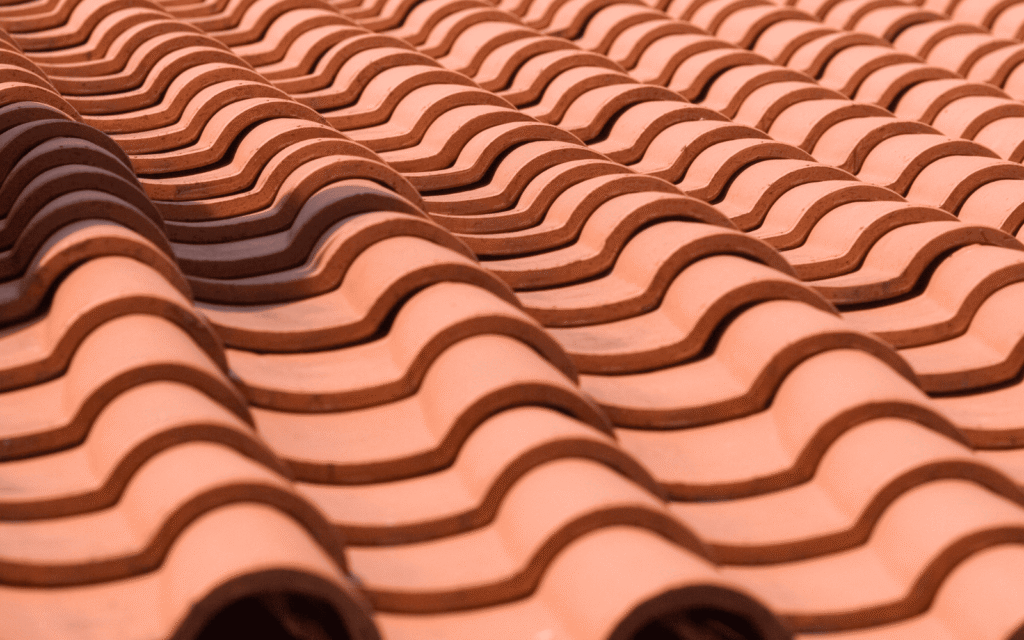
Terracotta Tiles: The word translates from Italian to “baked earth.” Authentic terracotta tiles are produced exclusively using iron-rich, natural red clay. They are fired at high kiln temperatures (typically between 1,800°F and 2,000°F) without synthetic additives. This high-heat baking causes the iron to oxidize, producing its signature rich, earthy red-orange tone throughout the entire body of the tile. Terracotta is traditionally left unglazed, relying on natural vitrification for density.
-
Standard Clay Tiles: These can be manufactured from a wider variety of clay blends, silicates, and sediment profiles. Firing temperatures range from 1,600°F to 1,900°F. Clay tiles are often surface-treated, tinted, or finished with a protective ceramic glaze before firing. This allows manufacturers to produce a broad spectrum of colors, including slate gray, sand, deep brown, and gloss finishes.
Material & Performance Comparison
| Feature | Terracotta Roof Tiles | Standard / Glazed Clay Tiles |
| Base Material | 100% natural red clay | Blended natural clays & minerals |
| Color Profile | Uniform earthy orange/red throughout | Varied tones, custom blends, or glazed colors |
| Surface Finish | Unglazed, porous matte | Unglazed, matte, or vitrified ceramic glaze |
| Average Lifespan | 75 to 100+ years | 50 to 100 years |
| Florida UV Resistance | Exceptional; zero color fading | High; glazed finishes resist UV degradation |
| Salt Air Tolerance | Naturally inert; immune to rust | Naturally inert; highly salt-resistant |
| Average Installed Cost | $14 – $24 per sq. ft. | $11 – $19 per sq. ft. |
Performance in Palm Bay’s Coastal Climate
Roofing systems along the Space Coast must endure extreme conditions: intense UV radiation, subtropical downpours, salt air, and hurricane-force winds.
Thermal Mass and Energy Efficiency
Both clay and terracotta offer outstanding thermal performance compared to asphalt shingles. The heavy thermal mass of kiln-fired clay absorbs intense solar radiation during peak daylight hours and releases it slowly at night, preventing heat transfer into your attic. When paired with the curved “barrel” profile (Spanish S-tile or Mission tile), the natural airspace beneath each tile creates continuous airflow that carries heat away from the roof deck, reducing summer air conditioning strain by up to 20%.
Moisture Absorption and Algae Resistance
Palm Bay’s high humidity often encourages mold, mildew, and blue-green algae.
-
Glazed clay tiles feature a glass-like outer barrier that repels water absorption completely, making it nearly impossible for surface algae to take root.
-
Terracotta tiles, while naturally water-shedding, are porous if left unglazed. In Brevard County’s humid microclimate, unglazed terracotta can develop a natural patina or surface moss over time if not periodically rinsed. However, high-fired terracotta will never rot, warp, or rust when exposed to salty sea breezes.
Hurricane Wind Resistance and Florida Building Code
Under the Florida Building Code, tile roofs in Palm Bay must meet strict uplift requirements to withstand wind speeds of 130 to 150 mph. While the tiles themselves are heavy, high wind performance relies heavily on the attachment method:
-
Polyurethane Foam Adhesives: Most modern tile installations in Florida utilize two-component expanding roofing foam adhesive rather than mechanical screws or mortar. Foam forms a durable bond to the underlayment, eliminates penetrations through the secondary water barrier, and provides superior wind-uplift ratings.
The True Waterproof Barrier: Tile Roof Underlayment
A common misconception is that the tiles themselves make a roof waterproof. In reality, roof tiles serve as the primary armor against wind, debris, and UV rays—the underlayment is the component that actually seals your home against water intrusion.
While terracotta and clay tiles can easily last 75 years, standard organic felts fail within 10 to 15 years in Florida’s heat. For a tile installation in Palm Bay, a self-adhered, high-temp peel-and-stick underlayment system (or a multi-ply modified bitumen system) is essential. A premium self-sealing membrane adheres directly to the plywood deck, preventing leaks around fasteners and ensuring the secondary water barrier remains intact even if a tile shifts during a tropical storm.
Structural Weight Requirements
Before choosing terracotta or clay, your home’s structural framing must be evaluated:
-
Standard architectural shingles weigh approximately 250 to 350 pounds per roofing square (100 square feet).
-
Clay and terracotta tiles weigh between 800 and 1,200 pounds per square, depending on the profile and density.
Homes constructed with engineered trusses designed for tile roofs can readily accommodate either material. However, if you are converting an existing home from lightweight shingle or metal to tile, a structural engineering assessment is necessary to confirm that rafters, trusses, and load-bearing walls can safely support the dead load.
Frequently Asked Questions
Can individual cracked clay or terracotta tiles be replaced?
Yes. If an airborne branch cracks an individual tile, a professional can remove and replace the damaged unit without disturbing the surrounding roof field. The primary concern during repairs is avoiding damage to adjacent tiles and ensuring the underlayment underneath was not punctured.
Are clay tiles better than concrete tiles in Florida?
Clay tiles hold distinct advantages over concrete. They are lighter, absorb less moisture, and retain their color permanently because the pigment is either fired through the clay or locked in a vitreous glaze. Concrete tiles are made of cement, sand, and water; they are more porous, heavier, and prone to color fading and surface oxidation over time.
How often does a tile roof need maintenance in Palm Bay?
Inspect the roof annually and after named storm events. Clear out fallen pine needles and debris from roof valleys and gutters, as trapped organic matter holds moisture against flashing. Pressure washing should be avoided; instead, use low-pressure chemical washes every 3 to 5 years to eliminate algae without damaging the tiles or dislodging seals.