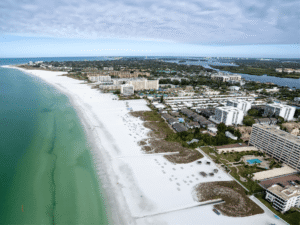
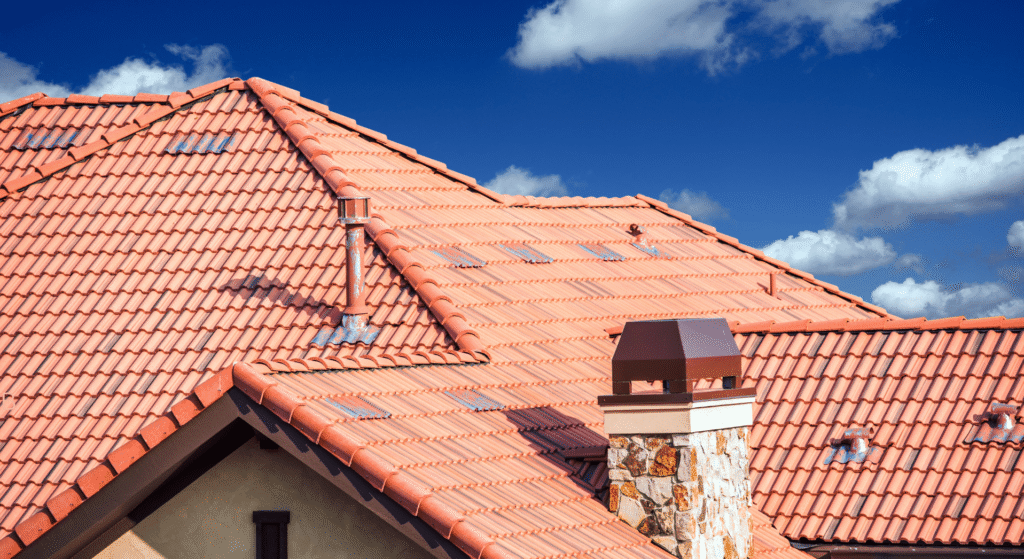
If you are cruising through neighborhoods along the Space Coast, you cannot miss the timeless, sun-baked elegance of Spanish tile roofing. It is an architectural staple across Central Florida, delivering an unmistakable Mediterranean aesthetic.
But choosing a roof style isn’t just about looking good from the driveway. In Palm Bay, your roof is your primary shield against brutal summer heat, torrential downpours, and tropical storm-force winds.
To help you make an informed decision for your property, let’s break down the history, the core benefits, the hidden drawbacks, and the precise installation process of a classic Spanish tile roof.
A Brief History of the “Barrel Tile”
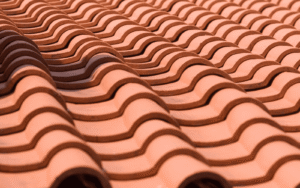
Spanish tiles—frequently referred to as “barrel tiles” or “S-style tiles”—boast a rich design history spanning centuries. Their distinctive curved shape originally gained widespread popularity in the Mediterranean region, where clay was abundant and natural heat perfectly baked the raw materials.
During the Roman era, these clay roofs became a signature element of Spanish architectural style. Settlers later brought this tradition to the Americas, where it naturally flourished in hot, coastal climates like Florida, California, and the Southwest. Today, modern manufacturing allows these roofs to retain their historical charm while utilizing advanced materials engineered for maximum strength.
The Pros and Cons of Spanish Tile in Central Florida
Investing in a premium roofing system requires weighing the immediate aesthetic upgrades against long-term performance and maintenance.
The Pros
-
Unmatched Curb Appeal: The iconic curved silhouette creates distinct shadow lines that elevate a home’s architectural profile. They are available in classic terracotta, earth-tone browns, reds, and even custom glazed colors to fit your design vision.
-
Extreme Longevity: When properly installed and maintained, a premium tile roof can easily last for more than 50 years. The raw materials are naturally immune to rot, insect destruction, and fire hazards.
-
Superior Energy Efficiency: Spanish tiles possess excellent thermal mass. They absorb intense solar heat during the daytime and vent it safely away rather than transferring it directly into your attic. This natural insulation effect can significantly ease the burden on your air conditioner and lower your monthly power bills.
-
Eco-Friendly and Sustainable: Because clay and concrete tiles are crafted from natural earth materials, they are fully recyclable and highly environmentally friendly. Their multi-decade lifespan means far less roofing waste ends up in Florida landfills.
The Cons
-
Substantial Weight: Tiles are significantly heavier than asphalt shingles or metal panels. Your home’s framing must be structurally verified to support this heavy load safely.
-
Higher Upfront Investment: The premium materials and specialized labor required for a proper tile installation demand a higher initial budget compared to standard roofing options.
-
Fragility Under Foot: While exceptionally strong against downward wind pressure, clay and concrete tiles can crack if walked on incorrectly by inexperienced technicians or hit by heavy falling debris.
Clay vs. Concrete: Material Options
When selecting your Spanish tiles, you will generally choose between two primary materials:
| Material Feature | Clay Tiles | Concrete Tiles |
| Composition | Natural baked earth/clay | Portland cement, sand, and water |
| Color Longevity | Permanent; baked-in color never fades | May fade slightly over decades; often sealed |
| Weight | Slightly lighter than concrete | Very heavy; requires strong structural framing |
| Affordability | Premium pricing tier | More budget-friendly alternative |
The 6-Step Installation Process
Installing a high-performance Spanish tile roof requires precision engineering and absolute compliance with strict Florida building codes. Here is the step-by-step breakdown of how a professional installation comes together:
1. Structural Consultation & Engineering
Before a single tile is ordered, a professional contractor must evaluate your roof’s pitch and structural integrity. This step ensures your home can safely handle the physical weight of a heavy tile system.
2. Deck Preparation
The existing roofing material is completely torn off down to the bare wood deck. The wooden sheathing is thoroughly inspected for hidden rot, re-nailed to meet current wind-mitigation codes, and reinforced wherever necessary.
3. High-Performance Underlayment
Because tile is a “shedding” system rather than a completely waterproof barrier, the underlayment beneath it does the heavy lifting. A premium, self-adhering waterproof underlayment is sealed directly to the deck to provide an impenetrable second line of defense against severe wind-driven rain.
4. Precision Tile Laying
Technicians meticulously map out the roof layout, installing tiles in a strict overlapping pattern from the bottom eave working upward. This geometric precision guarantees flawless water drainage and striking symmetry.
5. Advanced Securing Systems
To combat intense coastal winds, tiles are firmly anchored using specialized mechanical fasteners, heavy-duty clips, or modern hurricane-grade tile adhesives. Proper fastening prevents individual tiles from shifting or lifting during high-wind events.
6. Final Quality Inspection
A comprehensive final inspection verifies that every valley, flashing point, and ridge cap tile is completely sealed, visually flawless, and fully compliant with all local safety and building standards.
Vital Maintenance Tips for Palm Bay Homeowners
While tile roofs require very little daily upkeep compared to asphalt shingles, proactive maintenance is the key to achieving a 50+ year lifespan.
Pro-Tip: Never Pressure Wash Your Tiles!
High-pressure water can easily snap fragile clay, blast away protective finishes, and force water straight under the tile layer, completely destroying your waterproof underlayment. Always opt for a professional soft-wash chemical treatment to safely eliminate stubborn green algae or black mold.
-
Schedule Routine Inspections: Have your roof professionally checked every few years and immediately following major storm events to catch minor issues early.
-
Clear Debris Regularly: Keep valleys and roof surfaces free of dead leaves, twigs, and pine needles. Trapped debris holds moisture against the tiles, creating a breeding ground for mold and mildew.
-
Replace Damaged Tiles Promptly: If you spot a cracked, slipped, or missing tile, do not ignore it. Replacing a single broken tile immediately prevents rain from baking and cracking the exposed underlayment underneath.
Ready to Explore Your Roofing Options?
Whether you want to make the upgrade to a gorgeous new Spanish tile system or need a highly precise repair on your existing tile roof, getting an honest, clear assessment is your best first step.
Contact Yeti Roofing today to schedule a comprehensive, zero-pressure roof evaluation. We will walk you through your options clearly, ensuring your Palm Bay home gets the premium protection and craftsmanship it deserves.