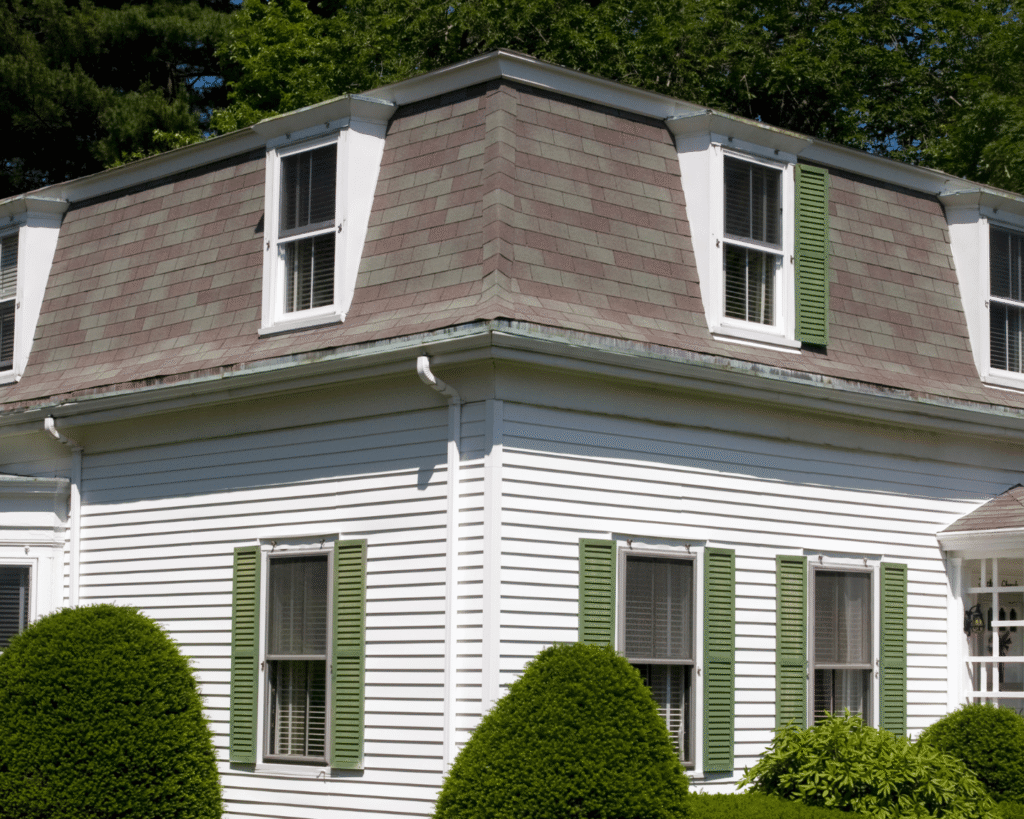
Understanding different roof styles is essential when considering your home’s design, planning a renovation, or building a new property on the Space Coast. A mansard roof offers a unique blend of historical function and elegant style, making it a highly sought-after choice for homeowners and architects alike. This distinctive roof type not only enhances the curb appeal of a building but also provides practical benefits, such as significantly expanded interior living space.
In this guide, we’ll cover everything you need to know about this classic architectural design:
-
What defines a mansard roof and how it differs from other common roof types
-
The architectural and functional benefits of a mansard roof
-
The key structural and style components that make mansard roofs unique
-
Maintenance considerations specifically for Florida homeowners
-
When to seek professional roofing services for repairs or upgrades
Why the Mansard Roof Is Important in Home Design
Originating in French architecture, mansard roofs have been admired for centuries. They offer a timeless appeal combined with modern practicality, especially when adapted to withstand the elements we see in Brevard County. Their unique shape serves several important purposes:
-
Maximized Interior Space: The steep lower slope acts almost like a wall, creating a spacious upper floor rather than a cramped attic. It turns otherwise wasted space into highly usable square footage.
-
Enhanced Aesthetic Appeal: Mansard roofs add an elegant, classic look that elevates the character and property value of any home.
-
Improved Light and Ventilation: The design practically begs for dormer windows, which provide excellent natural light and cross-ventilation to upper-floor rooms.
-
Adaptability: Mansard roofs can be combined with various architectural styles, seamlessly fitting into both historic neighborhoods and contemporary builds.
-
Weather Efficiency: The double-slope design is excellent for shedding heavy summer rains, directing water runoff quickly and efficiently.
5 Key Elements and Structure of a Mansard Roof
Breaking down the components of a mansard roof helps in understanding its construction and why it requires precise engineering.
1. Dual Slopes
The absolute hallmark of a mansard roof is its two distinct slopes on all four sides of the building.
-
The lower slope is very steep, almost vertical, maximizing the interior footprint.
-
The upper slope is gently pitched, protecting the home from the weather while maintaining a relatively low profile from the street.
2. Dormer Windows
Dormer windows are structurally integrated into the steep lower slope.
-
They add vital light and ventilation.
-
They provide additional headroom, making the space behind the roof fully functional as a bedroom, office, or living area.
-
They offer an opportunity for intricate exterior design touches.
3. Roof Materials
Because of the steep angles, mansard roofs require durable materials that complement the home’s architectural style and can handle high winds.
-
Traditional: Slate and wood shake offer classic charm.
-
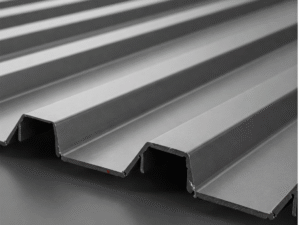
Modern: Architectural asphalt shingles, modified bitumen (for the low-slope upper section), and standing seam metal panels are fantastic choices for longevity and Florida weather resistance.
4. Roof Frame Structure
The frame of a mansard roof requires expert engineering. It must support complex angles and the additional weight of the steep slopes.
-
Structural integrity is critical here, especially in hurricane-prone areas, to ensure the roof can withstand heavy wind loads without sagging or sustaining damage.
5. Drainage System
Effective drainage is non-negotiable for a mansard roof.
-
Because the upper slope is nearly flat, water needs a clear path down the steep lower slope.
-
Strategically placed, high-capacity gutters and downspouts are required to channel torrential rains away from the foundation safely.
Enhancing Your Home with a Mansard Roof
Choosing a mansard roof offers striking visual appeal alongside practical advantages that directly contribute to your home’s value and daily comfort.
Maximizing Living Space
If you are looking to add a second story without building towering, flat walls, a mansard roof is the perfect compromise. The space underneath becomes a full additional floor, perfect for growing families needing extra bedrooms or a dedicated home office.
Architectural Versatility
-
Classic Appeal: Synonymous with Second Empire styles, ideal for stately, traditional homes.
-
Modern Adaptations: Contemporary designs fuse mansard shapes with clean lines, metal roofing, and modern aesthetics for a truly unique look.
Potential Energy Efficiency
The thick walls and steep slopes provide excellent opportunities for high-grade insulation. When paired with proper ridge ventilation and reflective roofing materials, a mansard roof can help regulate indoor temperatures and keep cooling costs down during hot Florida summers.
Maintenance and Considerations for Mansard Roof Owners
The complex shape of a mansard roof means it requires proactive care. Staying ahead of maintenance ensures its beauty and structural integrity last for decades.
-
Regular Inspections: Check for signs of water intrusion, especially around the dormer windows and the transition point between the upper and lower slopes. Look for loose shingles or damaged flashing after major storms.
-
Gutter and Drainage Maintenance: Clear gutters and downspouts frequently. Debris buildup can cause water to pool on the lower-pitched upper slope, leading to leaks.
-
Professional Repairs: Because of the near-vertical drops and structural complexity, repairs should never be a DIY project. Always hire experienced, licensed roofing contractors who understand mansard architecture.
Comparing Mansard Roofs to Other Popular Roof Styles
How does a mansard roof stack up against other common types you see around Melbourne and the Space Coast?
| Roof Type | Key Features | Advantages | Considerations |
| Mansard Roof | Dual slopes on all 4 sides, steep lower slope, dormers. | Maximized interior space, elegant style, great lighting. | Complex structure, requires specialized maintenance, higher initial cost. |
| Gable Roof | Two sloping sides meeting at a central ridge (triangle shape). | Simple design, excellent water runoff, easy to ventilate. | Very limited attic space, lower wind resistance compared to hip roofs. |
| Hip Roof | All four sides slope downward to the walls. | Extremely strong wind resistance, balanced and symmetrical look. | Limited attic space, more complex framing than a gable. |
This comparison illustrates the mansard roof’s unique ability to prioritize massive living space and distinct style, trading off against the simplicity of a gable or the sheer aerodynamic wind resistance of a standard hip roof.
Expert Roofing For Your Home
The mansard roof remains a distinguished option for those seeking both aesthetic appeal and optimized living space. Whether you are considering a major home remodel, need repairs on a historic property, or are looking to upgrade your existing mansard roof with high-performance materials, understanding its unique requirements is the first step.
Ready to ensure your roof is built to last? At Yeti Roofing, we bring top-tier expertise and dedicated service to every project in Melbourne and throughout Brevard County.
Call or text us today for a free estimate: 321-541-8630
Visit us online: yetiroofingfl.com