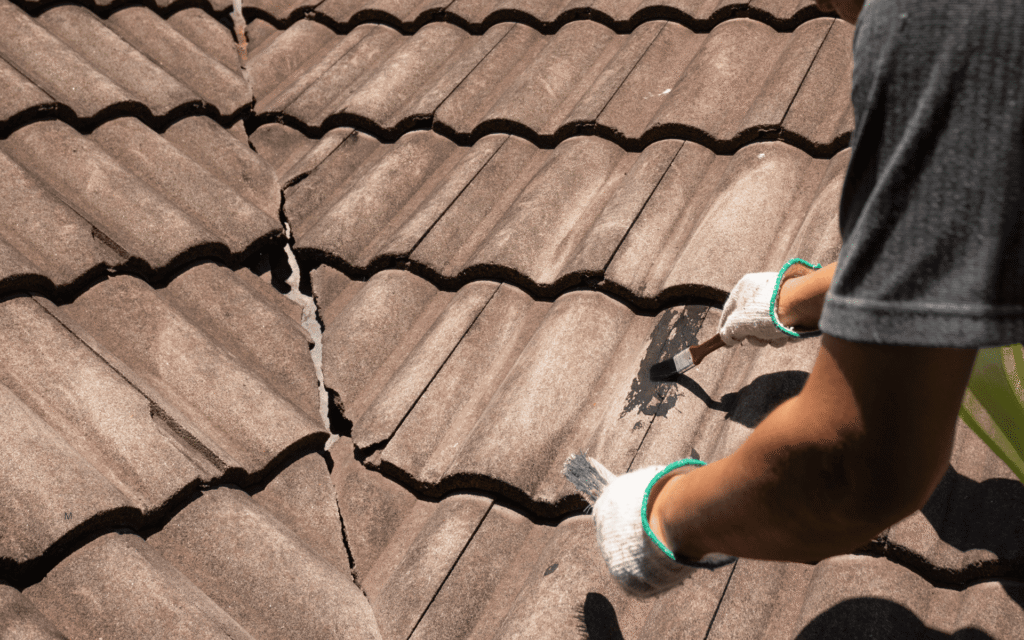
A minor ceiling drip can rapidly escalate into saturated drywall, compromised insulation, and hazardous mold growth if ignored. When Palm Bay homeowners notice water intrusion, the immediate instinct is to find a fast, affordable sealant to stop the bleeding before the next afternoon squall hits. While a high-quality sealant can provide an excellent temporary defense, applying the wrong product under intense Central Florida UV exposure will quickly fail and potentially worsen the underlying damage.
Selecting the appropriate sealant requires understanding your specific roofing material, the exact location of the leak, and the unique weather conditions along the Space Coast.
Why Choosing the Right Sealant Matters in Central Florida
Roof leaks in Brevard County do not fix themselves. Your roof undergoes extreme thermal shock daily—baking under intense 90-degree summer sun before being rapidly cooled by torrential afternoon rain. This constant expansion and contraction demand a highly flexible sealant.
Using the correct roofing sealant provides:
-
Immediate Water Control: Stops active water intrusion during a multi-day storm event.
-
Material Compatibility: Ensures a chemical bond to shingles, metal panels, or low-slope flat roofing membranes without causing degradation.
-
Thermal Flexibility: Expands and contracts with the roofing material without cracking or splitting under intense UV exposure.
The 6 Best Roof Sealant Types for Palm Bay Homes
There is no universal “liquid fix” for every roofing problem. The best choice is entirely dependent on the material you are patching and the severity of the opening.
1. Silicone Roof Sealant
Silicone is the gold standard for flat and low-slope roofs dealing with ponding water. It remains highly flexible in extreme temperatures and delivers unmatched UV resistance.
-
Best For: Flat roofing systems, sealing minor membrane punctures, and areas prone to standing water.
-
Drawbacks: Silicone attracts dirt easily and makes future adhesion difficult if you ever need to apply a non-silicone product over the same area.
2. Polyurethane Roof Sealant
Polyurethane delivers incredible structural adhesion and impact resistance. It is tough, highly durable, and cures into a rigid but slightly flexible seal.
-
Best For: Sealing metal flashing joints, chimneys, skylight perimeters, and metal roof panel overlaps.
-
Drawbacks: It is thicker and can be harder to tool and apply cleanly compared to water-based acrylics.
3. Acrylic Roof Sealant
Acrylic sealants are water-based, budget-friendly, and very easy to apply. They offer solid UV resistance and are frequently used as protective coatings.
-
Best For: Broad surface coatings and minor surface-level UV protection.
-
Drawbacks: Acrylics break down quickly if exposed to standing water, making them a poor choice for flat roofs that do not drain perfectly during the rainy season.
4. Asphalt-Based Roof Cement (Mastic)
Often called “wet patch,” this is a thick, tar-like substance used heavily in emergency repairs. Many formulations are heavily fibered, allowing them to bond even when the roof is currently wet.
-
Best For: Emergency patching of missing shingles, sealing severe cracks, and temporarily locking down lifted asphalt tabs.
-
Drawbacks: Asphalt cement hardens over time. Under the Palm Bay sun, it will eventually dry out, crack, and fail, making it strictly a temporary fix.
5. Rubberized/Elastomeric Sealant
Rubberized sealants contain liquid polymers that provide massive elasticity. They can stretch significantly without breaking, making them perfect for areas of the roof that experience high movement.
-
Best For: High-movement joints, metal roofing, and transitions between different roofing materials.
-
Drawbacks: Strong fumes during application and a slightly longer cure time.
6. Butyl Rubber Sealant
Butyl tape and caulks are incredibly sticky and highly resistant to moisture. They create an airtight, watertight seal immediately upon application.
-
Best For: Metal roof panel seams, sealing exposed fasteners, and adhering underlayment overlaps.
-
Drawbacks: Highly messy to work with and degrades if left exposed to direct sunlight without a top cover.
Matching the Sealant to Your Roof Type
-
Architectural Shingle Roofs: Rely on polyurethane for sealing the metal flashing around your vents and chimneys. If a shingle is torn or missing, a fibered asphalt roof cement is the best emergency patch to protect the exposed wood deck.
-
Metal Roofs: Use butyl rubber for any overlapping seams or fastener replacements. Polyurethane is the preferred choice for sealing the transition flashing where the metal meets a wall or chimney.
-
Flat and Low-Slope Roofs: Silicone is the only reliable choice for a flat roof in Florida. It is the only liquid sealant that will not break down under the weight of standing water after a heavy downpour.
Common Causes of Space Coast Roof Leaks
Before you purchase a tube of sealant, you must identify the actual failure point.
-
Wind-Torn Shingles: High wind events compromise the manufacturer’s sealant strip. Once a shingle lifts, water is driven horizontally under the system.
-
Cracked Pipe Boots: The rubber boots surrounding your plumbing exhaust pipes dry rot very quickly under direct Florida sunlight, creating an open gap directly into your attic.
-
Flashing Failures: The metal step-flashing around chimneys and roof valleys can corrode from salt air or pull away from the wall during thermal expansion.
-
Ponding Water: Flat roofs with pitches under 2/12 often develop low spots over time, allowing water to sit and slowly eat away at the membrane seams.
When DIY Sealant Is Not Enough
A tube of roof caulk is a temporary bandage, not a structural cure. While it can prevent a minor leak from destroying your living room ceiling this week, relying on sealant long-term often masks hidden decking rot. If you are experiencing widespread shingle loss, water pooling in multiple interior rooms, or sagging roof decking, stepping onto the roof to apply paste is highly dangerous and largely ineffective.
Getting a code-compliant, permanent repair requires professional evaluation. At Yeti Roofing, every roof inspection is conducted by a state-licensed roofer who has laid complex tile and shingle systems across Florida. We pinpoint the exact origin of the leak rather than just covering it up. Whether our leadership team is dispatching the crew to install an impenetrable peel-and-stick underlayment barrier, or our lead inspector is evaluating hidden storm damage, we ensure your Palm Bay home is fortified for the next hurricane season.